
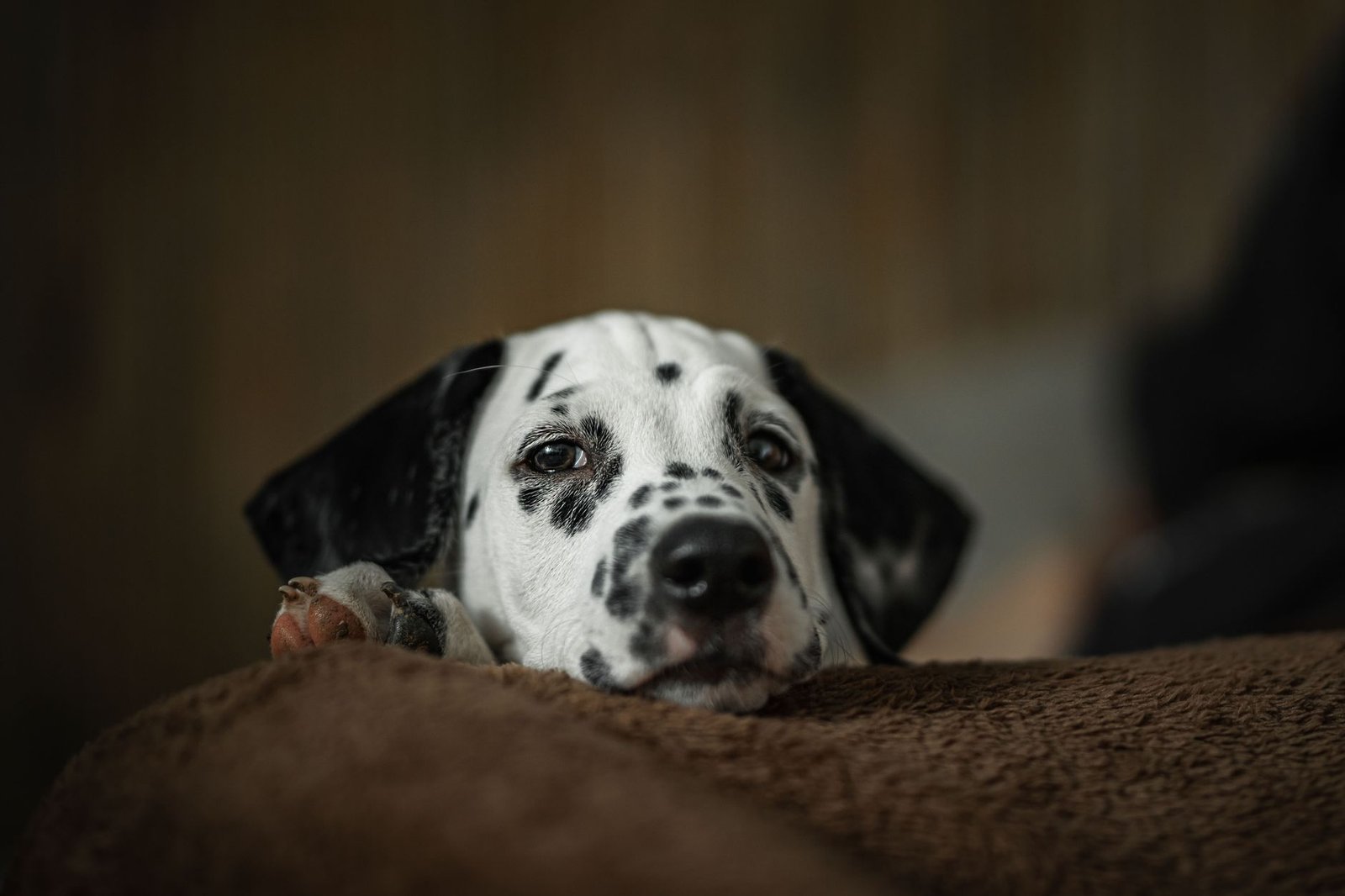
A dog’s ear canal is long and L-shaped, so water from a summer of swimming sits in the bend instead of draining. That warm, damp canal lets yeast and bacteria overgrow, which is why ear infections surface in late August and September. Head shaking, odour, redness, discharge or pain on touch all warrant a veterinary exam.
Why ear cases arrive at the end of the swimming season, not the start
Mission dogs get a long water season. From the first warm weekend in June through to the last mild days of September, they are in Hayward Lake, paddling the quieter edges of Stave Lake, or wading in along the Fraser. One swim rarely causes a problem. Twelve weekends of swimming, followed by a car ride home in a damp coat, is a different matter. That is why the calls cluster in the shoulder season. An ear infection is usually the end of a slow build, not a single event. The canal has been repeatedly wet, the skin lining it has stayed soft and slightly swollen, and the normal population of yeast and bacteria that lives on every dog’s skin has been given weeks of ideal conditions to multiply. Late summer stacks a second factor on top. Grass and weed pollens are still heavy across the Fraser Valley in August, and by September the mould in damp leaf litter and cut fields adds to the load. For an allergic dog, that means an already irritated ear lining going into the wettest stretch of its year. Add the change in household rhythm once school starts, when the house is quiet enough that you finally notice the scratching at two in the morning, and the timing makes sense.
The shape of the canal is the whole problem
People assume a dog’s ear works like ours. It does not, and the difference explains almost everything about why these infections happen. Your own ear canal is short and runs more or less straight in from the opening to the eardrum. Water that gets in has a short, downhill route back out. A dog’s canal is far longer and it takes a right angle turn. It runs down vertically from the opening, then bends and runs horizontally inward toward the eardrum. Gravity helps water in and then works against it coming back out. The bend is where trouble collects. Lake water, silt, sand from the riverbank, shed skin, wax and loose hair all settle at the turn and stay there. That deep section is dark, it is close to body temperature, and after a swim it is humid. Yeast and bacteria that sit harmlessly on healthy skin in small numbers find that environment ideal, and the population tips from normal to overgrown. Head shaking flings water out of the ear flap and the visible opening, but it does very little for the horizontal section, which is exactly where the problem sits.
Which dogs are most at risk
Some ears are simply harder to keep healthy than others. Risk goes up for:
- Dogs with heavy, pendulous ear flaps, which sit like a lid over the opening and keep the canal warm and poorly ventilated. Retrievers, spaniels, hounds and many crosses fall into this group.
- Dogs with dense hair growing inside the canal, common in poodles, doodles, schnauzers and several small breeds, because hair holds moisture and traps debris.
- Enthusiastic swimmers of any breed, along with dogs that are bathed often at home without the ears being dried properly afterward.
- Dogs with naturally narrow canals, where even mild swelling meaningfully reduces airflow.
- Dogs with underlying allergies, whether environmental or food related. This is the group most often missed.
Recurrent ear infections are usually an allergy problem in disguise
A single sore ear after a heavy swimming summer is often just that. A dog that has had three ear problems in a year is telling you something else, and water is rarely the whole story. Allergic skin disease inflames the lining of the ear canal in the same way it inflames the skin between the toes or under the belly. That inflammation makes the canal narrower, warmer and greasier, which changes the microclimate before a single drop of lake water gets in. Swimming then becomes the trigger that tips an already primed ear over the edge. Treat only the discharge and you are treating the last link in the chain, which is why the infection keeps returning a few weeks after each course finishes. Investigating that underlying cause is part of the dermatology and ear health care we provide for dogs and cats, and it is a longer conversation than a single appointment about a smelly ear. It usually involves looking at the whole picture: the paws, the skin, the season, the diet and the pattern over time.
Signs that warrant an exam
Ear pain is easy to miss early because dogs are stoic about it and the affected part is out of sight. Book a visit if you notice:
- Repeated head shaking, or shaking that has become more forceful over a few days
- Scratching at one ear, or rubbing that side of the head along carpet, grass or furniture
- A yeasty, sour or genuinely unpleasant odour from the ear
- Discharge that is brown, yellow, waxy or crumbly, or fresh redness inside the flap
- Flinching, pulling away or yelping when you touch the base of the ear
- Holding one ear lower than the other, or holding it flat against the head
- A head tilt, circling, or a change in balance, which points to the deeper structures
- A soft, fluid filled swelling of the ear flap itself after a spell of hard shaking
A dog that has stopped eating, seems dull, or cries out when the head is handled needs to be seen the same day rather than at the next convenient appointment. Book into same day urgent care while we are open rather than letting a painful ear sit overnight.
Why the cause matters more than the discharge
Two ears can look almost identical from the outside and need completely different treatment. This is the single most useful thing for an owner to understand. Yeast and bacteria behave differently, respond to different medicines, and often look different under magnification. Bacterial overgrowth can involve round organisms or rod shaped ones, and those two groups do not necessarily respond to the same product. Some ears have a mix. Some have neither, and the real cause is ear mites, a grass seed or piece of plant debris lodged at the bend, a growth in the canal, or a problem that started in the middle ear rather than the outer one. That is why a veterinarian takes a sample and looks at it rather than judging by appearance. A quick ear cytology under the microscope shows what is actually growing in that specific ear on that specific day, and it guides the choice of treatment instead of leaving it to guesswork. It also gives a baseline, so a recheck can show whether the ear genuinely cleared or only quietened down. The exam matters just as much. Looking into the canal with an otoscope is how the deeper section and the eardrum get assessed, and an ear that is too painful or too swollen to examine properly tells the veterinarian something in itself.
What an ignored or repeatedly self treated ear turns into
Ears that are managed by guesswork tend to get worse in slow, hard to reverse ways. Persistent inflammation thickens the lining of the canal. Over months and years that thickening narrows the passage, and in long standing cases the tissue can harden until the canal no longer opens properly at all. At that point medicine struggles to reach where it needs to go, and the options narrow considerably. Violent head shaking can also rupture blood vessels inside the ear flap, creating a swollen, uncomfortable pocket of fluid that needs its own treatment. The deeper risk is the eardrum. Infection and pressure can rupture it, and once it is not intact, anything poured into the canal has direct access to the middle ear. This is the reason the advice about leftover medicine is not fussiness. A tube left over from last year, or one borrowed from a friend’s dog, may contain ingredients that are perfectly safe against an intact eardrum and genuinely harmful behind a ruptured one, with hearing and balance at stake. You cannot see an eardrum from your kitchen. Nobody can. The same logic rules out the home mixtures that circulate online. Please do not put vinegar, peroxide, alcohol or any homemade solution into your dog’s ear. On inflamed or broken skin those are painful, they can make the inflammation worse, and if the eardrum has already gone they can do real damage. Nothing should go into the canal before someone has looked inside it.
Keeping ears healthy through the last swims of the season
Most of this is straightforward habit rather than medical intervention:
- Dry the ears after every swim or bath. A soft towel or cotton pad around the flap and the opening you can easily see is enough. Never push a cotton swab down into the canal, which drives debris deeper and packs it against the bend.
- Hold floppy ears up for a few minutes afterward so air can reach the opening, and let them dry before your dog settles somewhere warm.
- Rinse lake and river water off the coat, then dry thoroughly rather than letting a damp dog air dry in the car.
- Keep hair around the ear opening tidy. If your dog finds handling difficult, our medical grooming team can manage coat and ear hygiene safely.
- Use an ear cleaner only if your veterinarian has examined the ears and directed you to use one. The right product depends on what is in the ear and on whether the eardrum is intact, and both of those need an exam.
- Keep a dog out of the water while an ear is sore or under treatment.
- Mention ear history at every visit. A pattern of repeat infections is worth investigating properly, and ears are checked as a matter of course during wellness exams.
Water safety at this time of year is worth thinking about more broadly. Our guide to blue-green algae in dogs covers what to look for before you let a dog into still water, and our trail safety guide for Mission dogs covers the drying and check over routine that follows a day outdoors.
Frequently asked questions
Can I clean my dog’s ears at home after swimming?
You can dry the ear flap and the visible opening with a soft towel or cotton pad, and that alone prevents a lot of trouble. Putting a cleaning solution down into the canal is different, and it should only be done with a product your veterinarian has recommended after examining that dog’s ears. If the eardrum is not intact, the wrong solution can cause harm.
How can a vet tell whether it is yeast or bacteria?
By taking a small sample from the canal and examining it under a microscope, which takes only a few minutes during the appointment. Yeast, round bacteria, rod shaped bacteria and mites all look distinct, and each points toward a different treatment. Colour and smell alone are not reliable, which is why ears that look the same can need very different care.
My dog gets an ear infection every summer. Is that normal?
It is common, but it is not something to accept as inevitable. Repeat infections in the same dog usually mean there is an underlying driver, most often allergic skin disease, and sometimes anatomy or a persistent moisture problem. Once the cause is identified and managed, the frequency often drops considerably. Bring the history of past episodes with you, including what has been tried before.
Does my dog have to stop swimming?
Usually not. For most dogs the answer is drying the ears properly afterward rather than giving up the lake. Dogs with a track record of repeat infections, very hairy canals, or an active ear problem may need a break from the water while things settle, and your veterinarian can advise on what is reasonable for your individual dog and the kind of swimming they do.
When is a sore ear an emergency?
A head tilt, loss of balance, circling, rapid eye movements, sudden deafness or severe pain that makes your dog unwilling to have the head touched all need prompt attention, because they suggest the middle or inner ear is involved. Bleeding from the canal or a rapidly swelling ear flap also warrants a same day call rather than watching it overnight.
Book an ear check before the season turns
September is a sensible month to have those ears looked at properly, while the problem is still an itch and not a chronic one. Reach us on (604) 826-7066 or arrange a visit through our medical services page, and our team will examine the canal, take a sample, and talk through what is driving the problem rather than just what is coming out of it. Published by the team at Lougheed Animal Hospital. This article is provided for general educational purposes only and is not a substitute for an in-person veterinary exam, diagnosis or treatment. If you are worried about your pet right now, please phone Lougheed Animal Hospital during our open hours, or reach a 24 hour emergency veterinary hospital if we are closed. Lougheed Animal Hospital 108 32423 Lougheed Highway, Mission, BC V2V 7B8, Canada Phone: +1 (604) 826-7066 Hours: Monday to Friday 8:00 AM to 7:00 PM Saturday and Sunday: 9:00 AM to 4:00 PM