
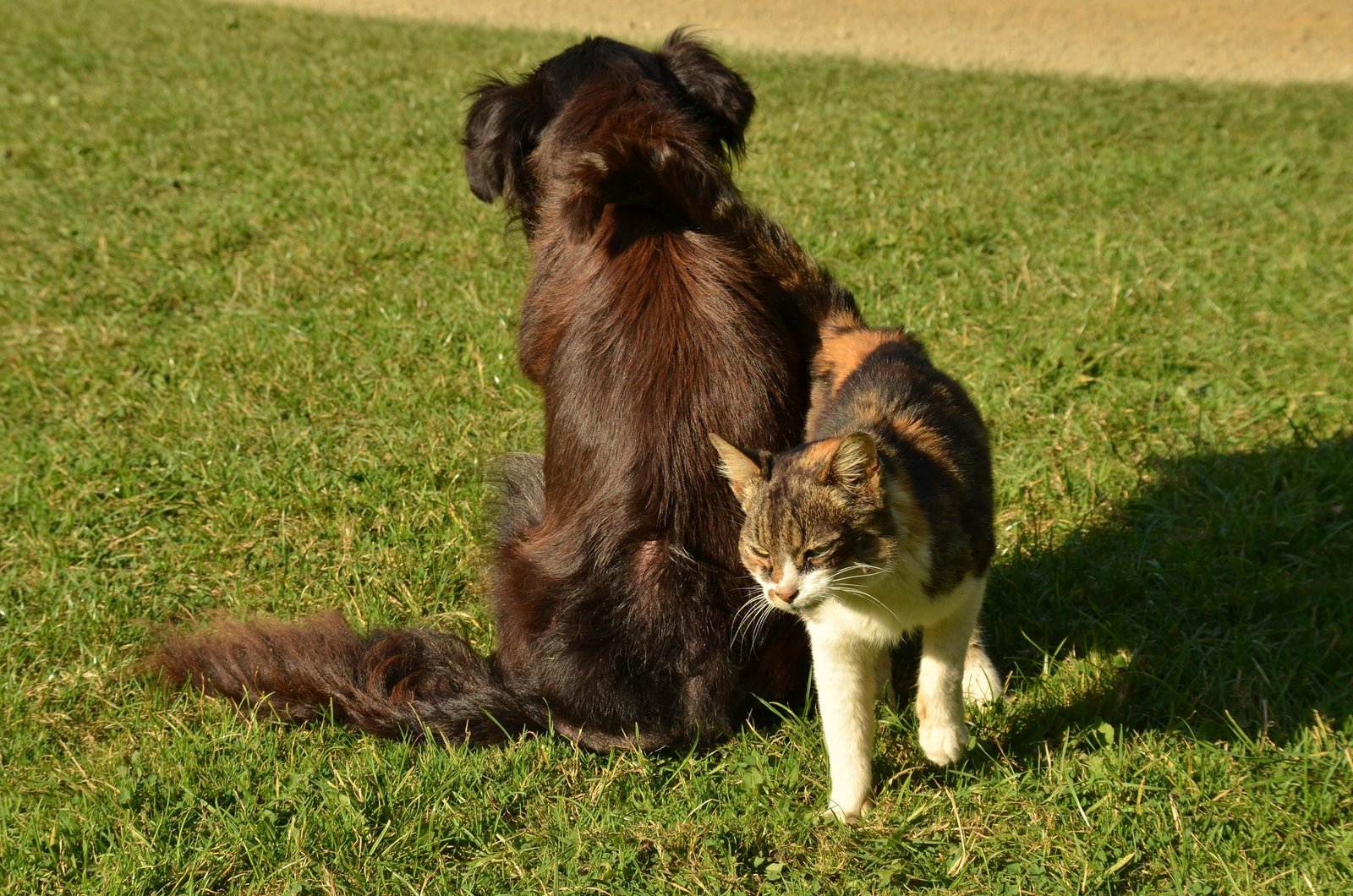
Spring in Mission, BC brings longer days, warmer temperatures, and an invitation to explore the trails and waterways that make the Fraser Valley one of the best places to own a dog. From the forested paths around Hayward Lake to the riverside walks along the Fraser River, your dog has plenty of room to run, sniff, and enjoy the outdoors this May. Before you load up the truck and head out, a little planning goes a long way toward keeping your four-legged companion safe and comfortable on the trail.
At Lougheed Animal Hospital, we see a noticeable increase in outdoor-related visits each spring. Dogs that spend more time on trails near Stave Lake, Heritage Park, and the forested hills above Mission are exposed to new risks, from rough terrain to warm-weather hazards. Here is what every dog owner in the Fraser Valley should know before hitting the trails this season.
Preparing Your Dog for Fraser Valley Trails
Before your first big hike of the season, schedule a wellness exam at our Mission clinic. A spring check-up helps our veterinarians, Dr. Singh and Dr. Dhaliwal, confirm that your dog’s joints, heart, and overall fitness are ready for the physical demands of trail walking. Dogs that have been less active over winter may need a gradual return to longer outings, starting with shorter loops at Heritage Park or the Cascade Falls area before tackling steeper routes around Hayward Lake.
Hydration is one of the most overlooked aspects of hiking with dogs in the Fraser Valley. Even in May, temperatures along exposed sections of trail can climb quickly. Carry a collapsible bowl and fresh water for your dog, and offer it every 20 to 30 minutes. The water in Stave Lake and local creeks may contain bacteria or parasites, so it is always safer to bring your own supply. Watch for signs of overheating, including heavy panting, drooling, and reluctance to continue walking. Brachycephalic breeds (flat-faced dogs such as bulldogs and pugs) are especially vulnerable and may do better on cooler, shaded paths.
Paw protection matters on Mission’s varied terrain. Rocky sections near Cascade Falls and gravel-covered forestry roads can cause abrasions on soft pads, particularly if your dog has spent the winter months mostly indoors. Check paws before and after each outing for cuts, cracked pads, or embedded debris. If your dog is prone to paw sensitivity, consider protective booties for rougher trails.
Trail Hazards Every Mission Dog Owner Should Know
The forested hills and lakeshores around Mission are beautiful, but they come with hazards that are easy to overlook. Wildlife encounters are more common in spring. Bears, coyotes, and porcupines are active this time of year, especially near Hayward Lake and the rural properties east of town. Keep your dog on a leash in areas where wildlife is present. A dog that chases a porcupine can end up with dozens of painful quills embedded in the face and mouth, requiring professional veterinary care to remove safely.
Ticks are a growing concern in the Fraser Valley, and the wooded areas around Stave Lake and the trails above Mission are known habitats. After every hike, do a thorough tick check, paying close attention to your dog’s ears, neck, armpits, and between the toes. If you find a tick, remove it carefully with fine-tipped tweezers and contact our medical services team for guidance. Consistent parasite prevention is essential for dogs that spend time outdoors in this region.
Toxic plants are another seasonal risk. Several species that grow along Fraser Valley trails, including foxglove and certain wild mushrooms, can cause serious illness if ingested. Dogs that like to nibble on plants should be monitored closely. If you suspect your dog has eaten something harmful on a hike, call Lougheed Animal Hospital at (604) 826-7066 right away for guidance on next steps.
Post-Hike Care and When to Visit Your Vet
A good trail routine does not end when you get back to the car. After each hike, check your dog’s coat for burrs, foxtails, and ticks. Rinse muddy paws and inspect between the toes for small cuts or irritation. Dogs that have been swimming in Hayward Lake or the Fraser River should be dried thoroughly to prevent skin issues, especially in breeds with thick or double coats.
Limping, lethargy, or a change in appetite after a hike can signal a strain, a thorn in the paw, or something more serious. If your dog shows any of these signs within 24 to 48 hours of a trail outing, book an appointment through our pet care services page or call us at (604) 826-7066. Our team is available Monday to Friday from 8 a.m. to 7 p.m. and weekends from 9 a.m. to 4 p.m. to help your dog recover and get back on the trail.
Spring is the ideal time to enjoy everything Mission and the Fraser Valley have to offer with your dog. With the right preparation, a solid understanding of local trail hazards, and a plan for post-hike care, you and your companion can make the most of the season safely. If it has been a while since your dog’s last check-up, book a wellness exam today and start the hiking season on the right paw.
Frequently Asked Questions
Q: What are the best dog-friendly trails near Mission, BC?
A: Popular options include the trails around Hayward Lake, the paths near Heritage Park, walks along the Fraser River, and the forested routes near Stave Lake. Always check local trail conditions and leash requirements before heading out.
Q: How do I protect my dog from ticks on Fraser Valley trails?
A: Use a veterinarian-recommended tick preventive year-round, and perform a thorough tick check after every hike. Pay close attention to ears, neck, armpits, and between the toes. If you find a tick, remove it with fine-tipped tweezers and contact your vet.
Q: Can my dog drink from Hayward Lake or Stave Lake?
A: It is best to bring your own fresh water. Natural water sources can contain bacteria, parasites, or algae that may cause gastrointestinal upset or illness in dogs.
Q: How do I know if my dog is overheating on a hike?
A: Watch for heavy panting, excessive drooling, bright red gums, stumbling, or reluctance to keep walking. Move your dog to shade, offer water, and contact Lougheed Animal Hospital at (604) 826-7066 if symptoms persist.
Q: When should I take my dog to the vet after a hike?
A: If your dog is limping, lethargic, not eating, vomiting, or showing signs of pain within 48 hours of a hike, schedule an appointment. Early assessment helps prevent minor issues from becoming bigger concerns.