
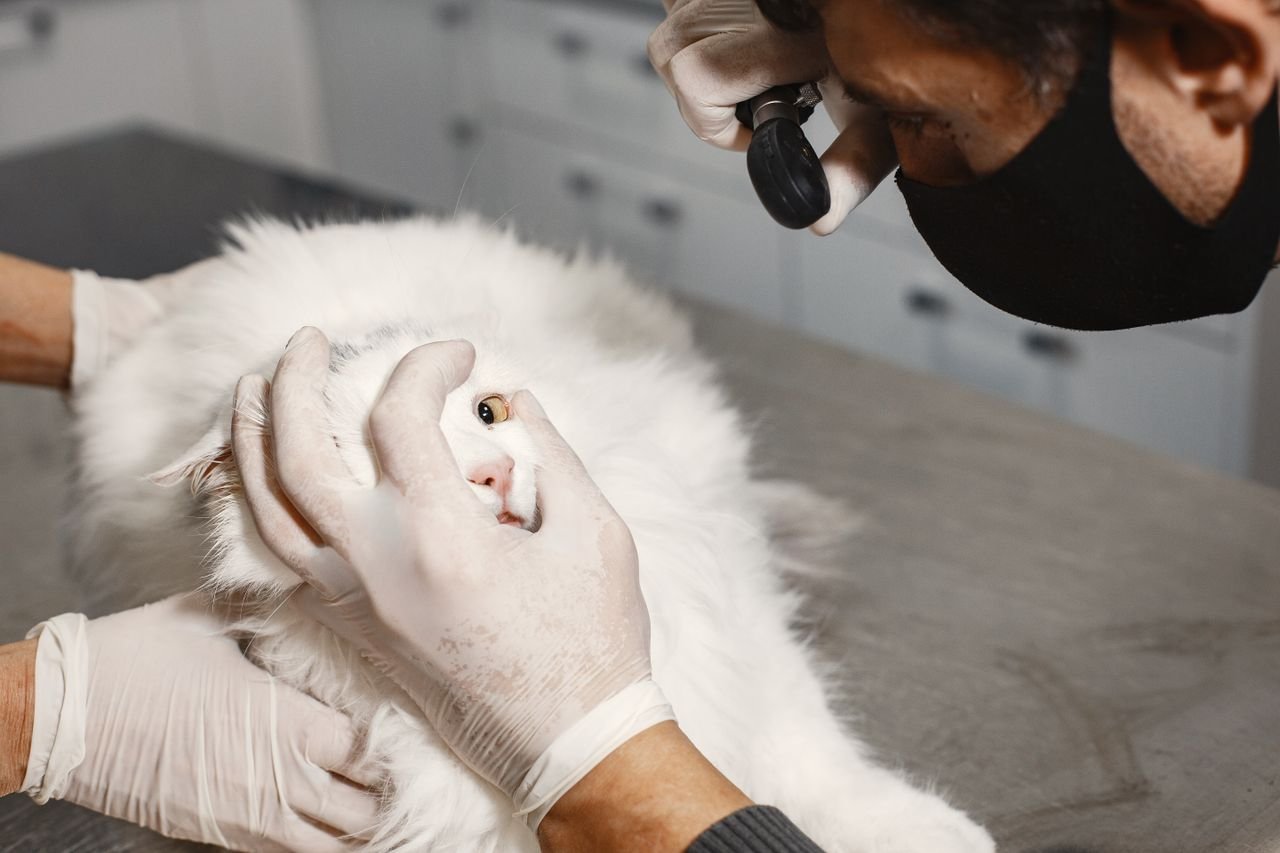
Straining to urinate, frequent trips to the litter box or yard, blood in the urine, or accidents can all signal a urinary problem in cats and dogs. In male cats especially, a urinary blockage is a life-threatening emergency. At Lougheed Animal Hospital in Mission, our team can find the cause and help your pet quickly.
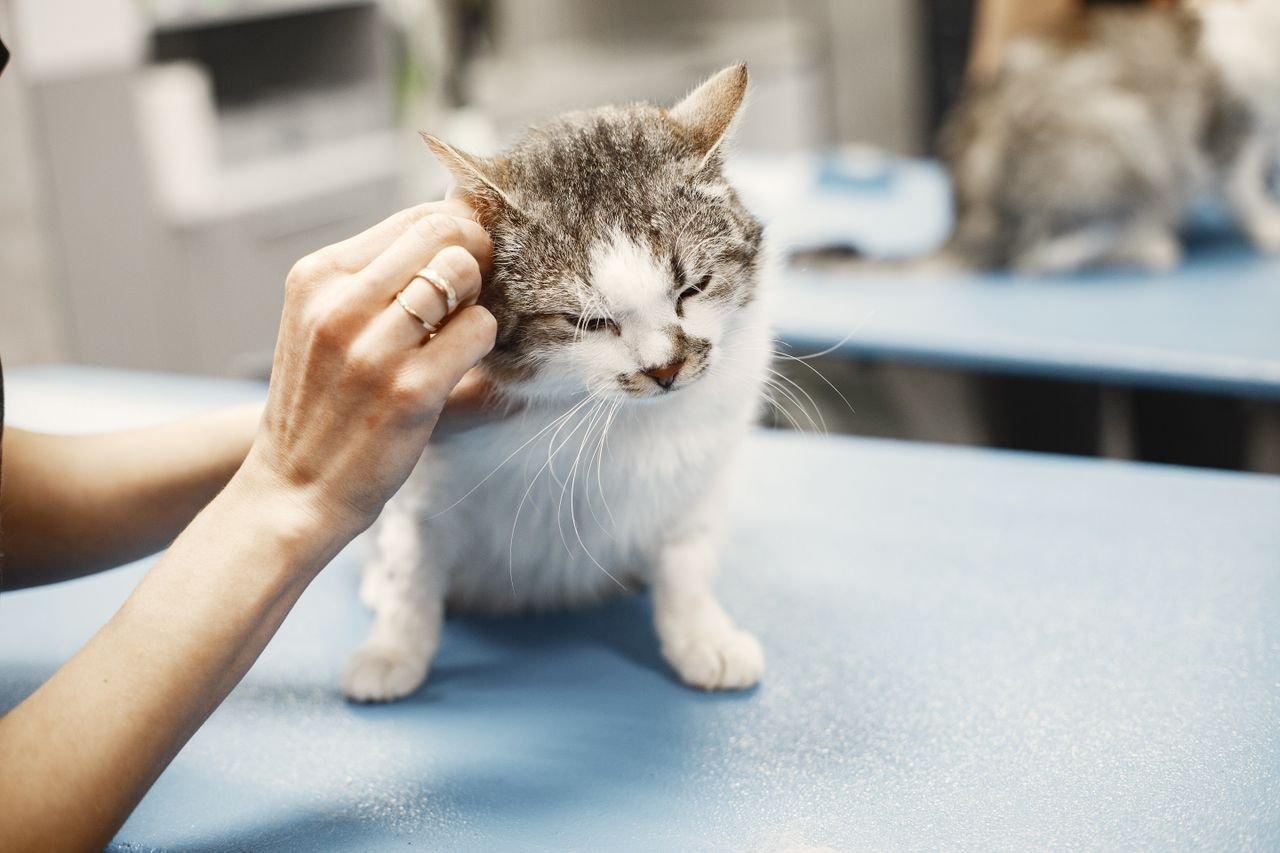
Why urinary problems deserve attention
The urinary system does the vital job of filtering waste and removing it from the body, so when something goes wrong, pets can become uncomfortable or seriously ill. Urinary issues are common in both cats and dogs, and they range from a treatable infection to a true emergency. Because the early signs can be subtle and easy to dismiss, knowing what to watch for helps you act before a small problem becomes a big one.
Signs to watch for
Urinary trouble often shows up through changes in how, when, or where your pet urinates. Contact your veterinarian if you notice any of the following:
- Straining or appearing to strain to urinate, or crying out
- Urinating more often, or passing only small amounts
- Blood in the urine, or urine that looks darker or cloudy
- Accidents in the house, or a cat urinating outside the litter box
- Frequent licking of the genital area
- Strong-smelling urine, increased thirst, or low energy
The emergency every cat owner should know
There is one urinary situation that is always an emergency: a male cat who cannot pass urine. A blockage, often from crystals, stones, or inflammation, can stop urine flow entirely, and this becomes life-threatening within a day or two as toxins build up. If your male cat is straining in the litter box, producing little or nothing, crying, vomiting, or becoming lethargic, treat it as an emergency and seek care immediately. Do not wait to see if it passes.
Common causes of urinary problems
Several conditions can be behind the signs. In cats, a common one is feline lower urinary tract disease, an umbrella term that includes bladder inflammation often linked to stress, as well as crystals and stones. In dogs, bladder infections and stones are frequent culprits. Both species can develop infections, and less commonly, other conditions affect the bladder or kidneys. Because these causes look alike from the outside but need different treatments, an exam and testing are the only way to know what is really going on.
Why guessing at home does not work
It is tempting to assume a urinary issue is a simple infection that will pass, but that assumption can be risky. Some causes worsen quickly, and treating the wrong problem wastes precious time. Human medicines and home remedies can also be harmful. The safest path is to have your pet examined so the actual cause is identified and treated properly, often with quick relief once the right care begins.
How your veterinarian diagnoses and treats it
Diagnosis usually starts with a physical exam and a urine test that checks for infection, blood, crystals, and concentration. Our diagnostics and medical services teams may also recommend bloodwork or imaging such as X-rays or ultrasound to look for stones or other changes. Treatment depends on the cause and may include addressing a blockage urgently, medicine, a special diet, or pain relief. When the situation cannot wait, our urgent care team is here to act quickly.
Prevention and long-term care
Many urinary problems can be reduced with a few steady habits. Encourage water intake, keep litter boxes clean and plentiful for cats, reduce household stress, and feed a diet suited to your pet’s needs, sometimes a therapeutic one your veterinarian recommends. Regular wellness exams help catch changes early and keep recurring issues under control. Lougheed Animal Hospital provides compassionate care for dogs and cats in Mission, with veterinarians registered with the College of Veterinarians of British Columbia.
Frequently asked questions
Is straining to urinate an emergency?
It can be, especially in male cats, where a blockage is life-threatening. If your pet is straining and producing little or no urine, treat it as an emergency and seek care immediately rather than waiting.
Can a urinary problem just be stress?
Stress is a genuine factor in cats, contributing to bladder inflammation, but the signs overlap with infections, crystals, and stones. Only an exam and urine test can confirm the cause, so it should still be checked.
Why does my cat pee outside the litter box?
It can signal a urinary problem rather than a behaviour issue, since discomfort makes cats avoid the box. A veterinary check is the right first step before assuming it is purely behavioural.
Will my pet need a special diet?
Sometimes. Certain urinary conditions, especially those involving crystals or stones, are managed with a therapeutic diet your veterinarian recommends. Whether a diet change helps depends on the diagnosis.
Can urinary problems come back?
Yes, some conditions tend to recur, particularly stress-related bladder inflammation in cats. Prevention habits and regular checkups help reduce flare-ups and keep your pet comfortable.
Is blood in the urine always serious?
It always warrants a veterinary visit. While the cause is sometimes a treatable infection, blood can also point to stones or other issues, so it should be examined rather than ignored.
How do I collect a urine sample from my pet?
Your veterinary team can guide you. For dogs, a clean container caught mid-stream usually works, while for cats a special non-absorbent litter is often used. A fresh sample brought in promptly gives the most accurate results, so ask the clinic for tips before you try.