
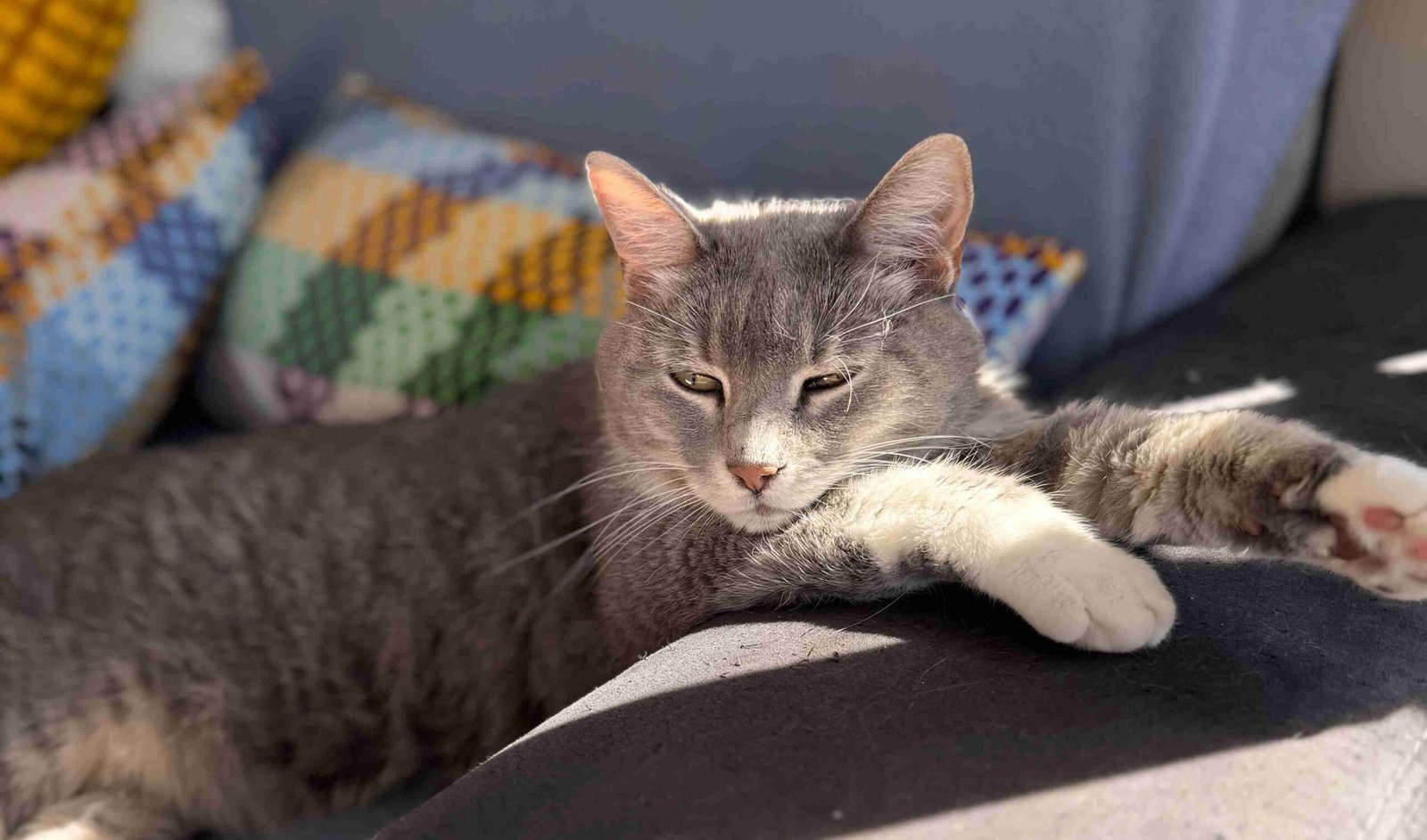
Spring in Mission brings blooming gardens along the Fraser Valley, open windows letting in the mountain air, and seasonal changes that can affect your indoor cat’s health. For cat owners in the Mission area, April is the ideal time to review your cat’s wellness plan and consider spay or neuter procedures. Cat spay neuter in Mission provides lasting health benefits while helping manage the local pet population. With Easter lilies, daffodils, and tulips appearing in homes and gardens along Lougheed Highway and throughout Mission’s residential streets, awareness of household toxins is equally important this season.
Why Spaying or Neutering Benefits Your Cat’s Health
Spaying or neutering is one of the most impactful steps you can take for your cat’s long-term wellbeing. For female cats, spaying eliminates the risk of uterine infections and significantly reduces the risk of mammary tumours. For male cats, neutering reduces territorial spraying, roaming behaviour, and the chance of testicular issues. These procedures are performed with modern anaesthesia protocols and continuous patient monitoring. In the Mission area, where many properties border farmland, forested areas near Hayward Lake, or the banks of the Fraser River, unneutered cats that slip outdoors face risks from traffic, wildlife, and infectious disease. Surgical services in Mission at Lougheed Animal Hospital include thorough pre-surgical assessments, safe anaesthesia management, and post-operative guidance. Scheduling in spring gives your cat time to heal before the warmer months, when open doors and windows increase escape risk.
Spring Plant Toxins Every Cat Owner in Mission Should Know
April brings spring flowers into homes across Mission, and several popular varieties are dangerous to cats. Lilies pose the most serious risk: Easter lilies, tiger lilies, and Asiatic lilies can cause severe kidney damage even from minor contact with pollen or leaves. Daffodils, tulips, and hyacinths also pose risks if ingested. If your home along the Lougheed Highway corridor or near Mission Heritage Park receives a spring bouquet, always verify no toxic varieties are included. Signs of plant toxicity may include vomiting, lethargy, loss of appetite, and changes in urination. Pet diagnostics in Mission allow your veterinary team to quickly identify the cause and provide supportive care. Prevention is safest: keep toxic plants out of reach and choose cat-safe alternatives such as spider plants, Boston ferns, or cat grass.
Spring Wellness Visits and Indoor Enrichment for Cats
A spring wellness exam is one of the most valuable investments for your indoor cat. This visit allows your veterinarian to assess weight, dental condition, joint mobility, and organ function. For cats in the Mission area, this annual check is often the primary opportunity for a thorough health review. Beyond medical care, spring is a great time to refresh your cat’s indoor environment. Rotating toys, adding climbing spaces, and introducing puzzle feeders reduce boredom and support mental health. Dental care for dogs in Mission is a common spring priority, and dental health is equally important for cats. Your veterinarian can check for tartar buildup and gum inflammation during the wellness visit. Secure window screens are essential to prevent falls. With a few simple preparations, your indoor cat can enjoy the spring season safely and comfortably.
Frequently Asked Questions
Q: When is the best age to spay or neuter my cat? A: Most veterinarians recommend spaying or neutering cats between four and six months of age. Your veterinarian at Lougheed Animal Hospital can advise on ideal timing based on your cat’s breed, weight, and health. Q: Are Easter lilies toxic to cats? A: Easter lilies are extremely toxic to cats. Even small amounts of pollen, petals, or vase water can cause severe kidney damage. If you suspect contact, reach out to your veterinarian immediately. Q: What are signs of plant poisoning in cats? A: Signs may include vomiting, drooling, lethargy, loss of appetite, and changes in urination. These can appear within hours. Prompt veterinary evaluation is important. Q: Does spaying or neutering affect a cat’s behaviour? A: Spaying or neutering can reduce behaviours such as spraying, roaming, and aggression. Most cats maintain their core personality while becoming calmer after recovery. Q: Does my indoor cat still need annual veterinary visits? A: Indoor cats benefit greatly from annual wellness exams to monitor weight, dental health, and organ function, and to detect early signs of conditions not visible at home. Keep your cat healthy this spring. Schedule a wellness visit or spay and neuter consultation at Lougheed Animal Hospital. Call (604) 826-7066 or book your appointment online. Published by the team at Lougheed Animal Hospital. This article is for general educational purposes only and does not constitute veterinary advice. Always consult a licensed veterinarian before making decisions about your pet’s health. If you have concerns, contact Lougheed Animal Hospital at (604) 826-7066.